
How do you send something almost into space?
In the Balloon-Rocket Experiments Section, we plan and carry out stratospheric missions.
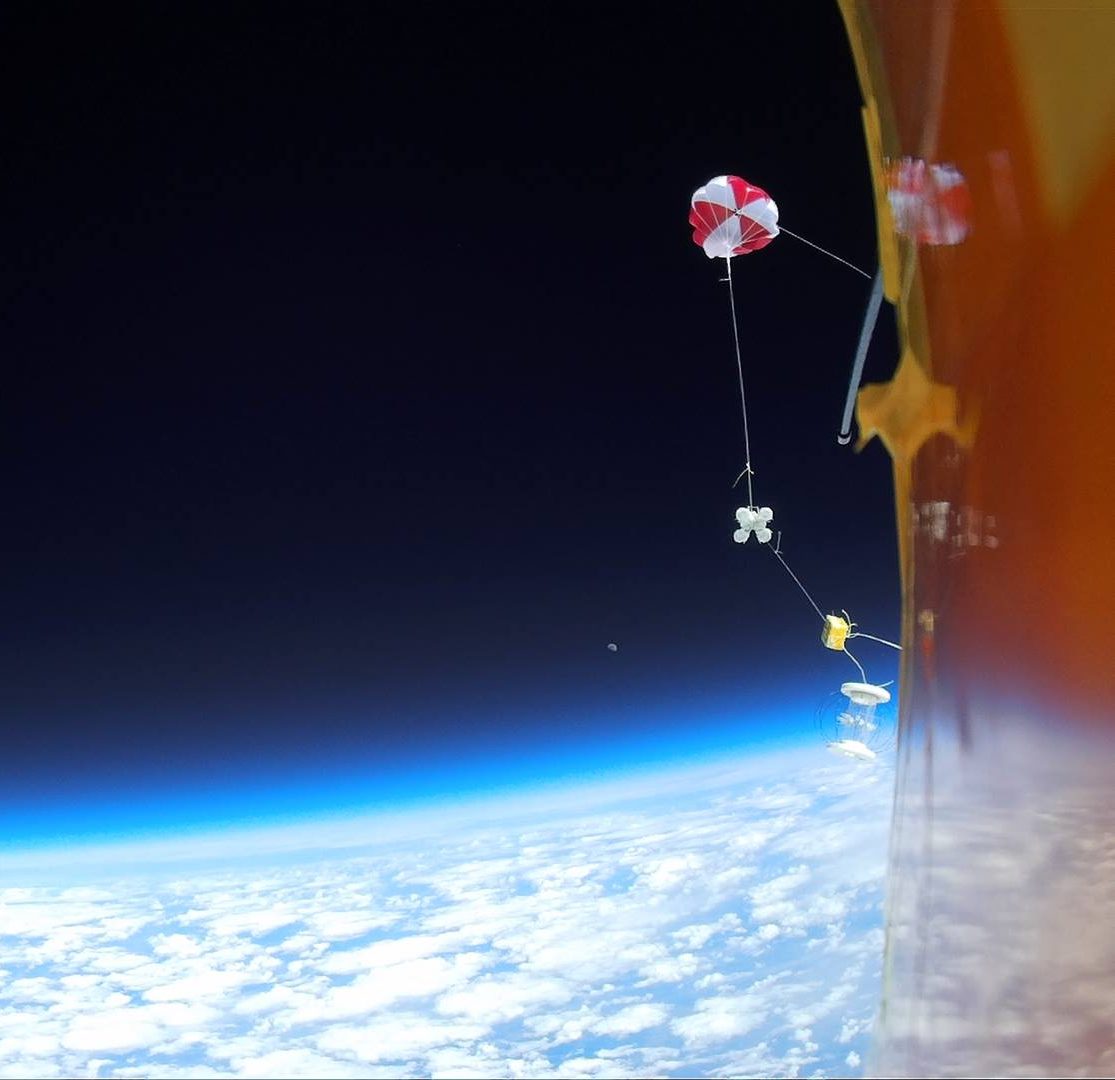
By using gases lighter than air, a stratospheric balloon is able to reach very high altitudes. Initially, the balloon has a diameter of about 2 meters and ascends at a speed of approximately 5 m/s. As altitude increases, atmospheric pressure decreases. At the moment of bursting (the apogee), caused by the pressure difference, the balloon expands to a diameter of up to 20 meters. The payload then falls back to Earth. Information about the balloon’s location was provided by an onboard radiosonde, which transmitted GPS position data every 10 seconds.
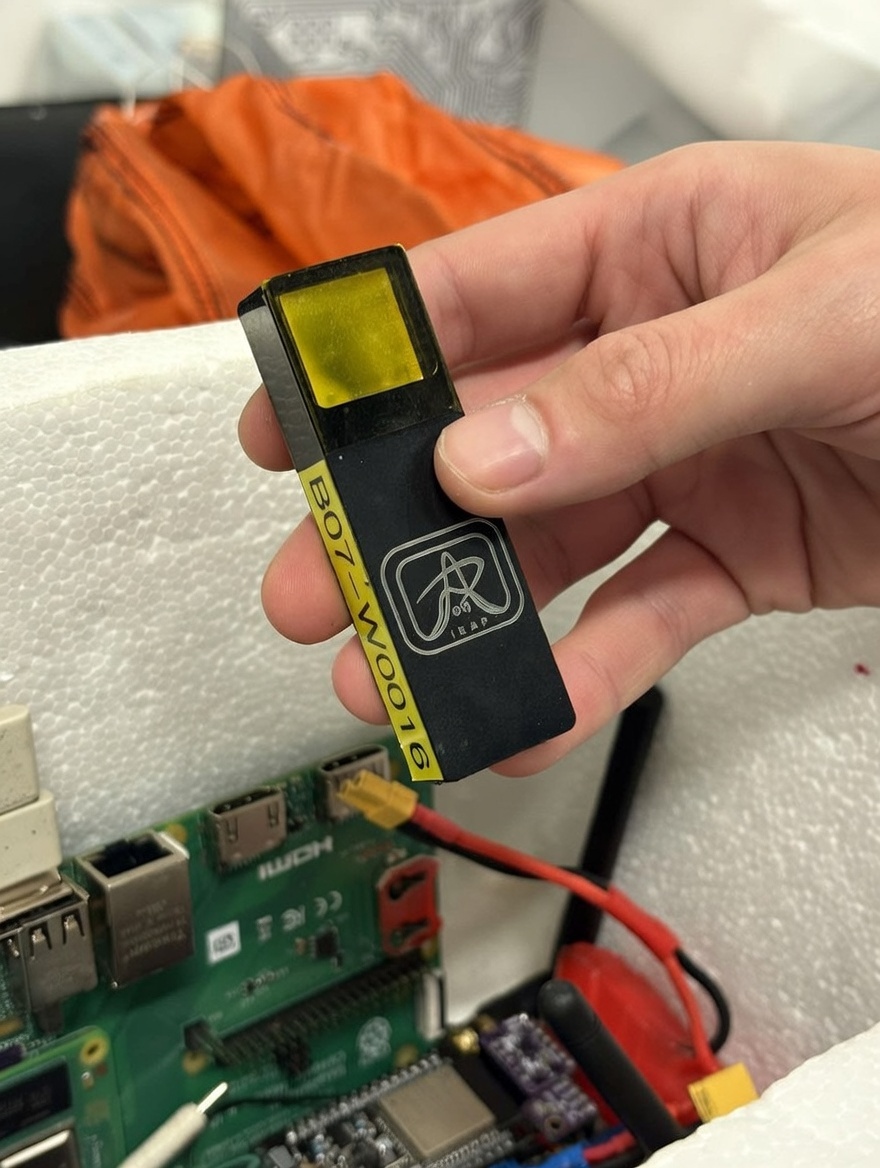
As part of the OURANOS stratospheric balloon mission campaign, the Balloon-Rocket Experiments Section team focuses on studying cosmic radiation.
In cooperation with the Institute of Applied and Experimental Physics (CTU, Prague), the group received a Timepix2 Lite detector, used at CERN to measure the energy and trajectories of high-energy particles. It consists of a sensor matrix and a chip that measures the time of excitation for each pixel, and thus the energy deposited by a particle in the detector. The same institute also sent a similar detector aboard the Proba-V satellite to study particles trapped in the Van Allen radiation belts.
The payload of the stratospheric balloon includes the aforementioned Timepix2 Lite detector together with a Raspberry CM5 and a power management module, which records images, detector data, and readings from temperature sensors located inside the gondola.

So far, two flights have been conducted from the Czubatka viewpoint near the Błędowska Desert. The first, a prototype flight to an altitude of 33 km, made it possible to identify flaws in the unreliable data acquisition system. The second flight reached 27 km, where improved cooling and data acquisition systems were used, allowing cosmic radiation to be successfully observed.
This is not the end of stratospheric missions. Students from the Balloon-Rocket Experiments Section are currently analyzing the collected data-we plan to ascend even higher and to develop a cut-down system that will enable significantly longer flights.
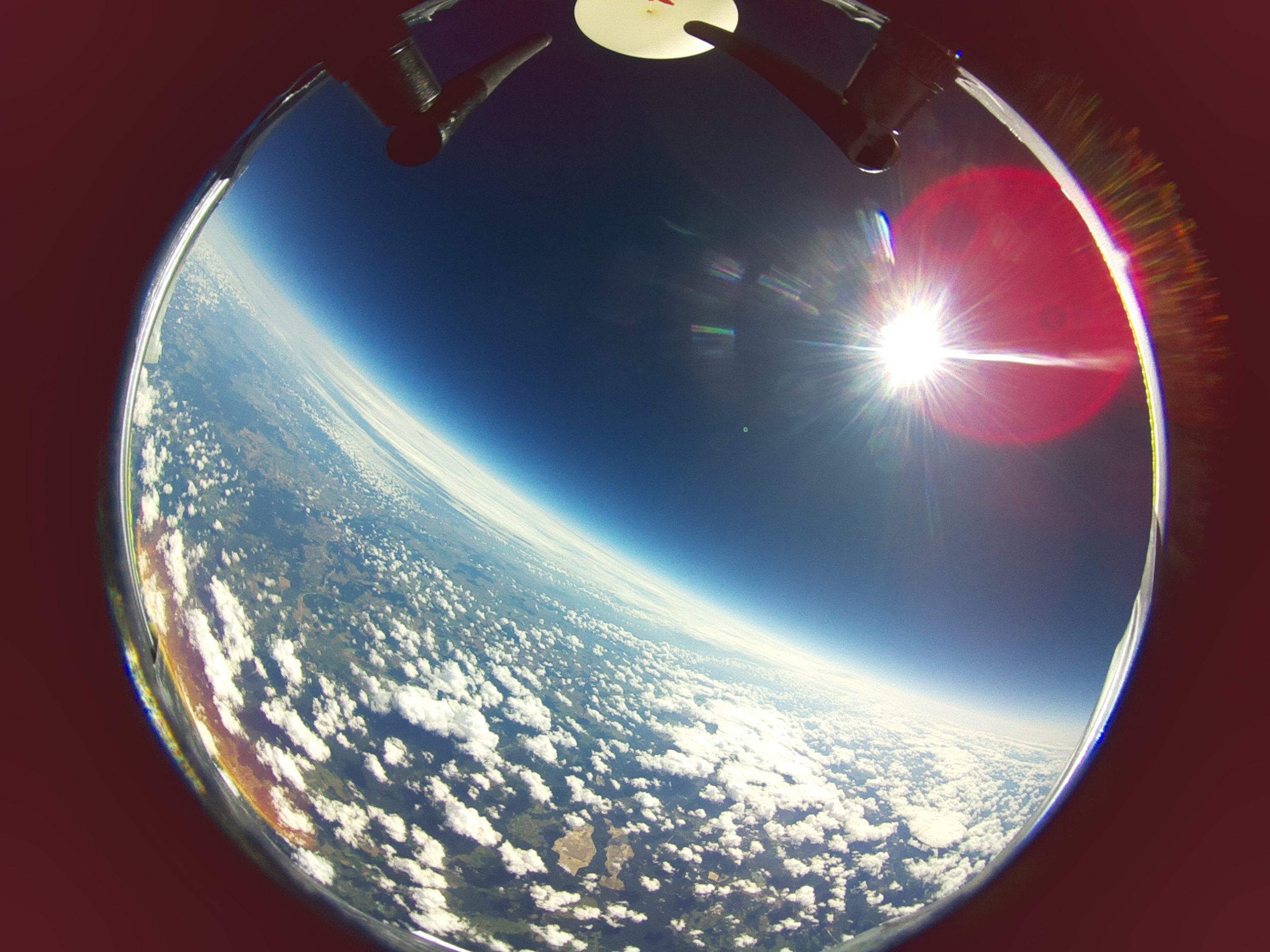
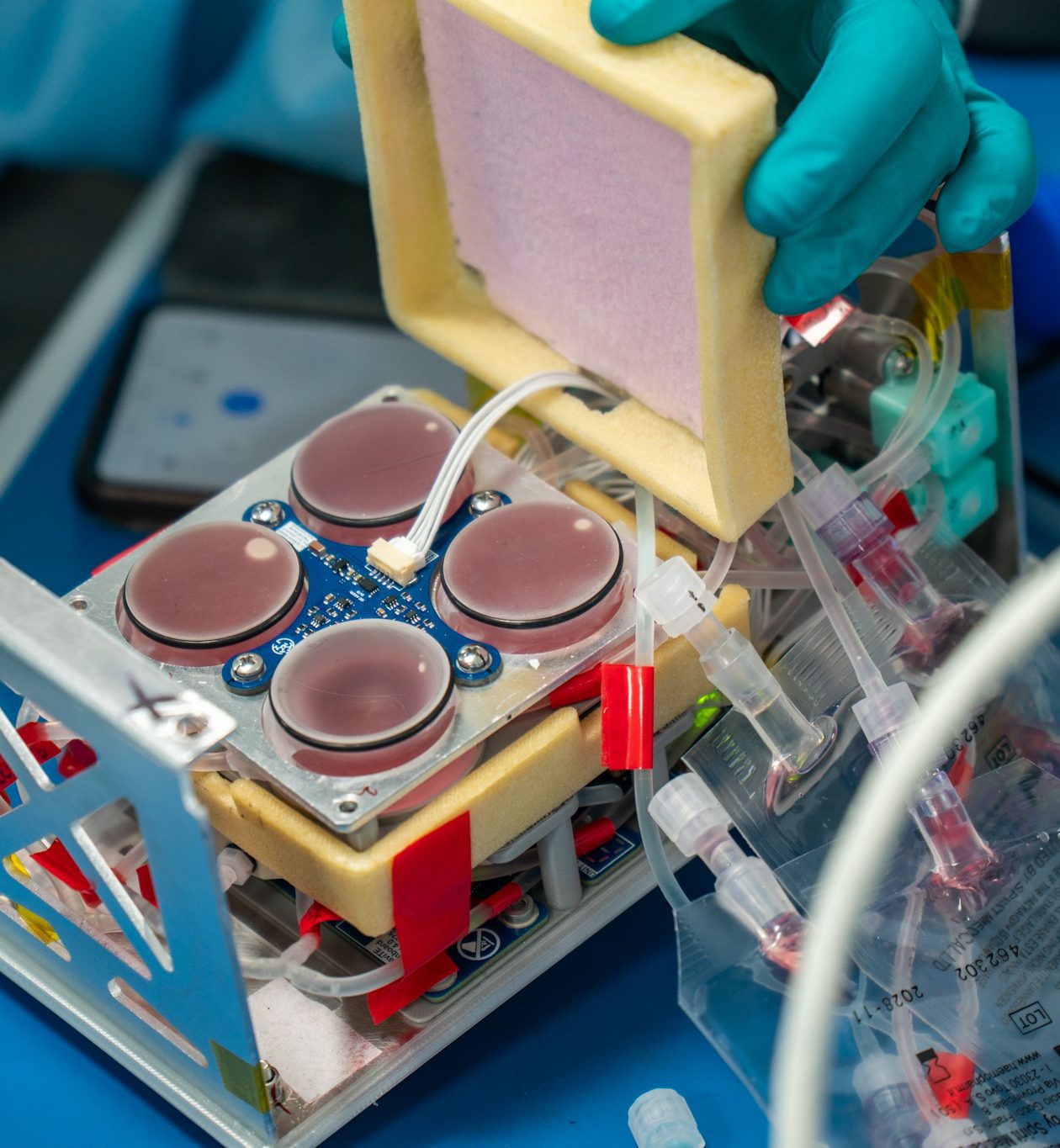
Of course, this is not the only project making use of stratospheric balloons. We have already carried out several campaigns using them. One of these involved flights of cancer cells in balloons between 2020 and 2022. The main objective of the mission was to investigate the effects of stratospheric conditions on SH-SY5Y neuroblastoma cells and BALB/3T3 fibroblasts placed in specially designed multi-well plates.
Subsequently, in 2022-2024, bone and cancer cells were sent on a mission as part of the Bone Voyage campaign. A major success of this work is a paper presenting the results, prepared for the 26th ESA Conference in 2024.