

GraviTE was presented during the IGNIS - Trajectories of the Future conference, where visitors could learn more about our experiment and its upcoming mission. Our stand was visited by representatives of the European Space Agency and the Polish space sector, including ESA Director General Josef Aschbacher, Polish astronaut Sławosz Uznański-Wiśniewski and Minister Andrzej Domański. It was a great opportunity to present the project, share our progress and discuss the future of Polish space research.
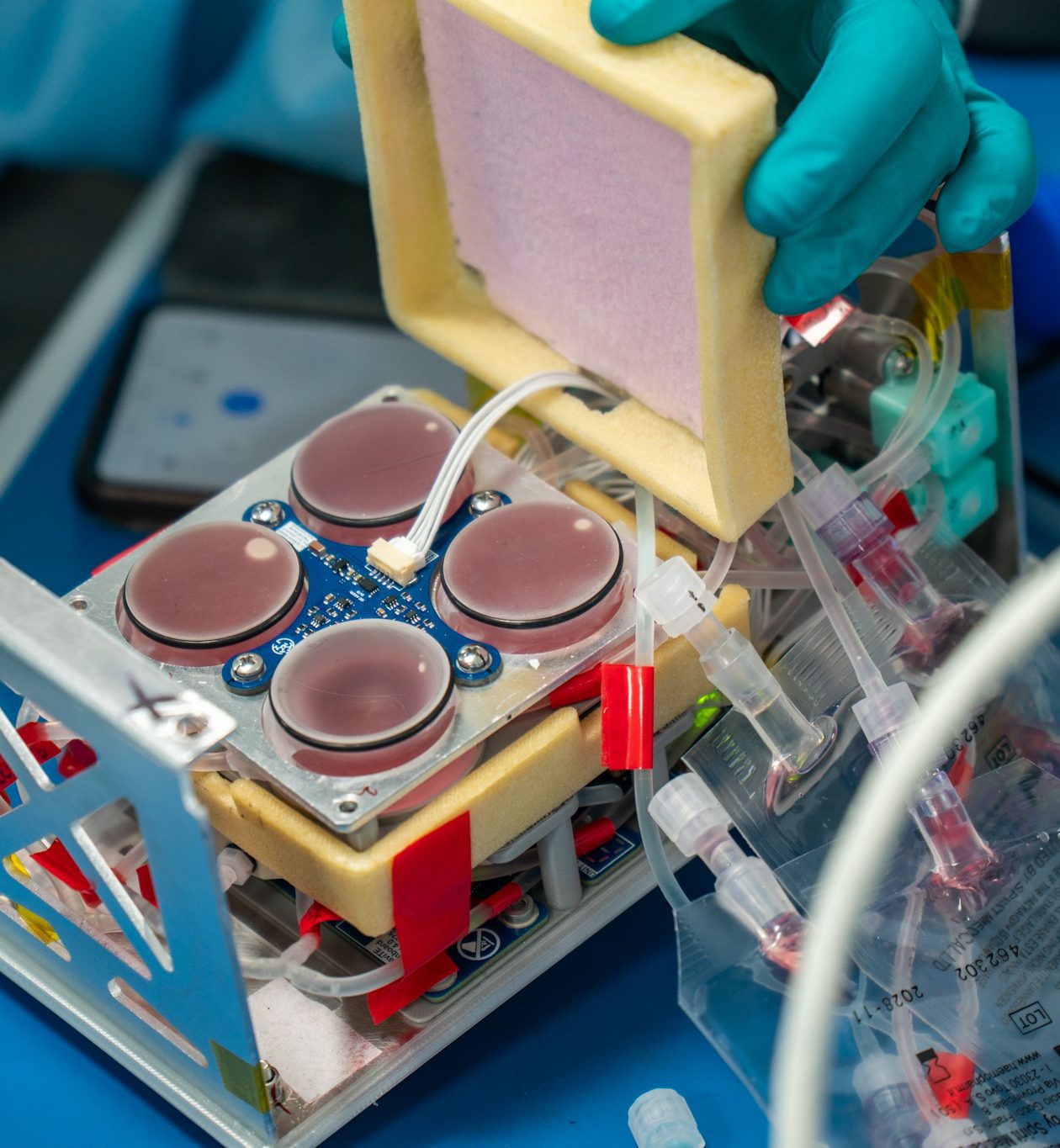
The goal of the GraviTE (Gravity-free Tissue Engineering) project is to investigate how bone cells develop and behave when cultured on a specially designed polymer scaffold under true microgravity conditions. By studying the influence of altered gravity on cell viability, proliferation, adhesion and differentiation, the project aims to improve our understanding of bone tissue degeneration during long-duration space missions and contribute to the development of gravity-dependent tissue engineering techniques.
A key part of the project is the development of a compact and largely autonomous bioreactor designed for cell culture aboard the International Space Station. The device is intended to maintain suitable culture conditions, automatically exchange the culture medium, preserve biological samples, control temperature and collect experimental data throughout the mission. After returning to Earth, the samples will be compared with control cultures maintained under equivalent conditions on the ground
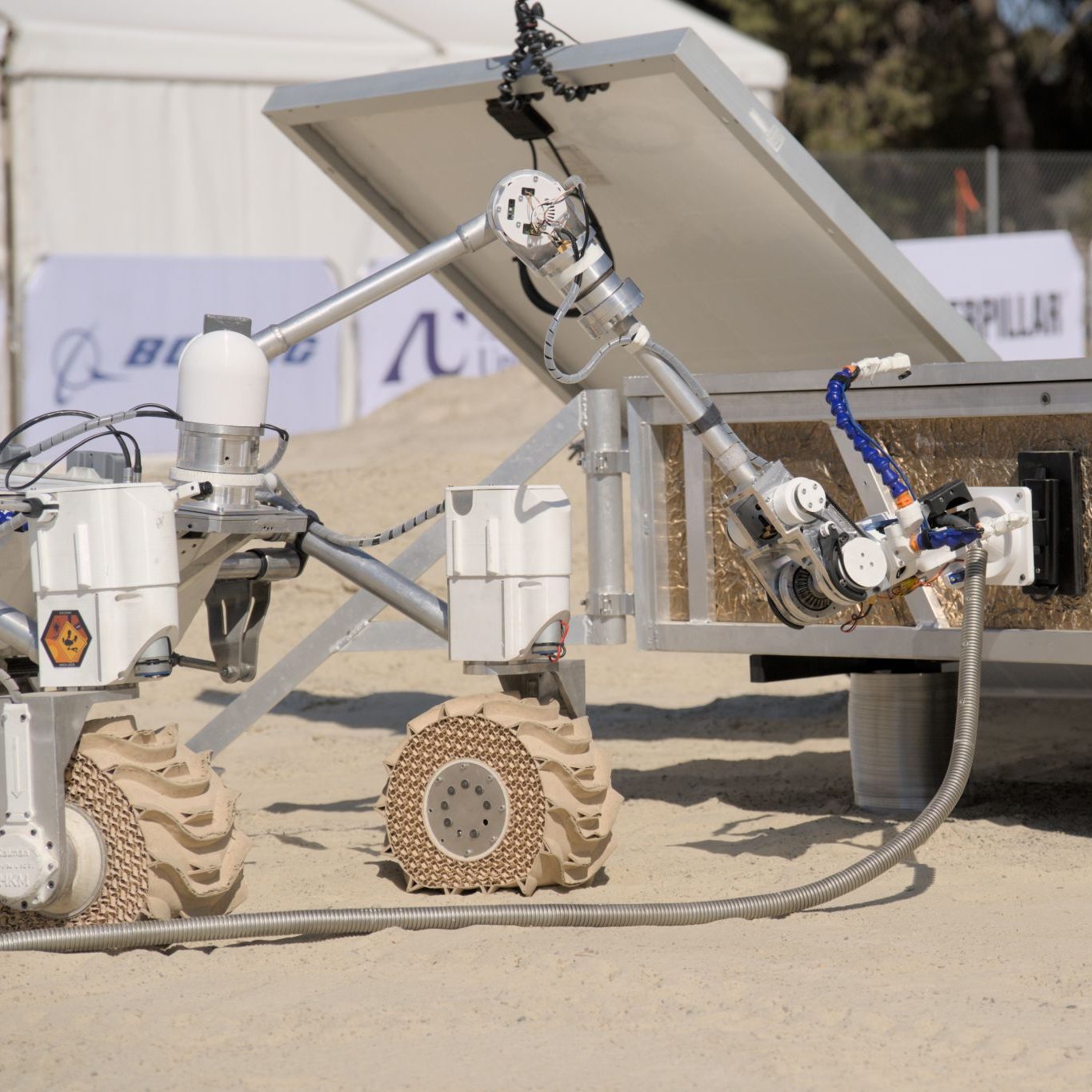
Kalman is one of two planetary rovers built by AGH Space Systems. It is the successor to the first design, Phobos, and features entirely new technical solutions. As a result, it is an agile, four-wheeled research vehicle. It is equipped with vision systems that enable remote control and terrain documentation.
The rover has a manipulator that allows for object handling, performing basic repairs, and operating control panels. Additionally, it features a mobile research laboratory for soil sample analysis.
The goal of the project is to develop a fully functional robot capable of traversing the challenging Martian terrain, testing new technical solutions essential for exploration missions, analyzing soil samples in search of signs of life on Mars, and assisting astronauts with minimal operator intervention.
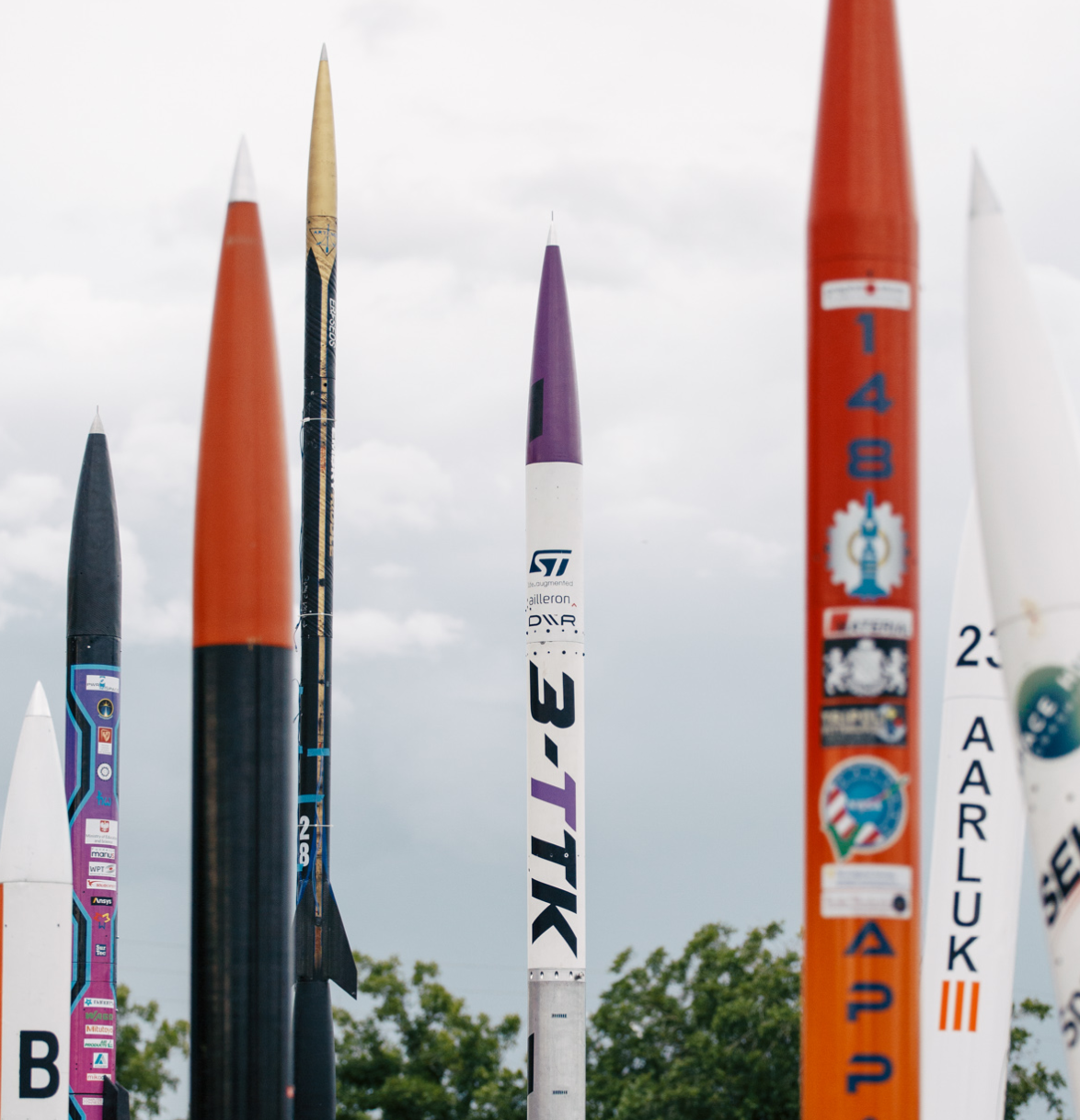
Turbulence rocket is the most advanced rocket developed by AGH Space Systems and the first student-built vehicle in Poland powered by a liquid propulsion system. The project has been under development since 2017 and builds on the experience gained from previous team projects.
One of the main goals of the project was to develop and validate liquid propulsion technology and perform a successful rocket flight. Turbulence was designed to reach altitudes of several kilometers while carrying a research payload and ensuring safe recovery.
Development began in 2017 and included work on key subsystems such as the liquid engine, rocket structure, and recovery system. In 2025, Turbulence completed its first successful flight, reaching an altitude of nearly 5 km, marking a major milestone for the project.
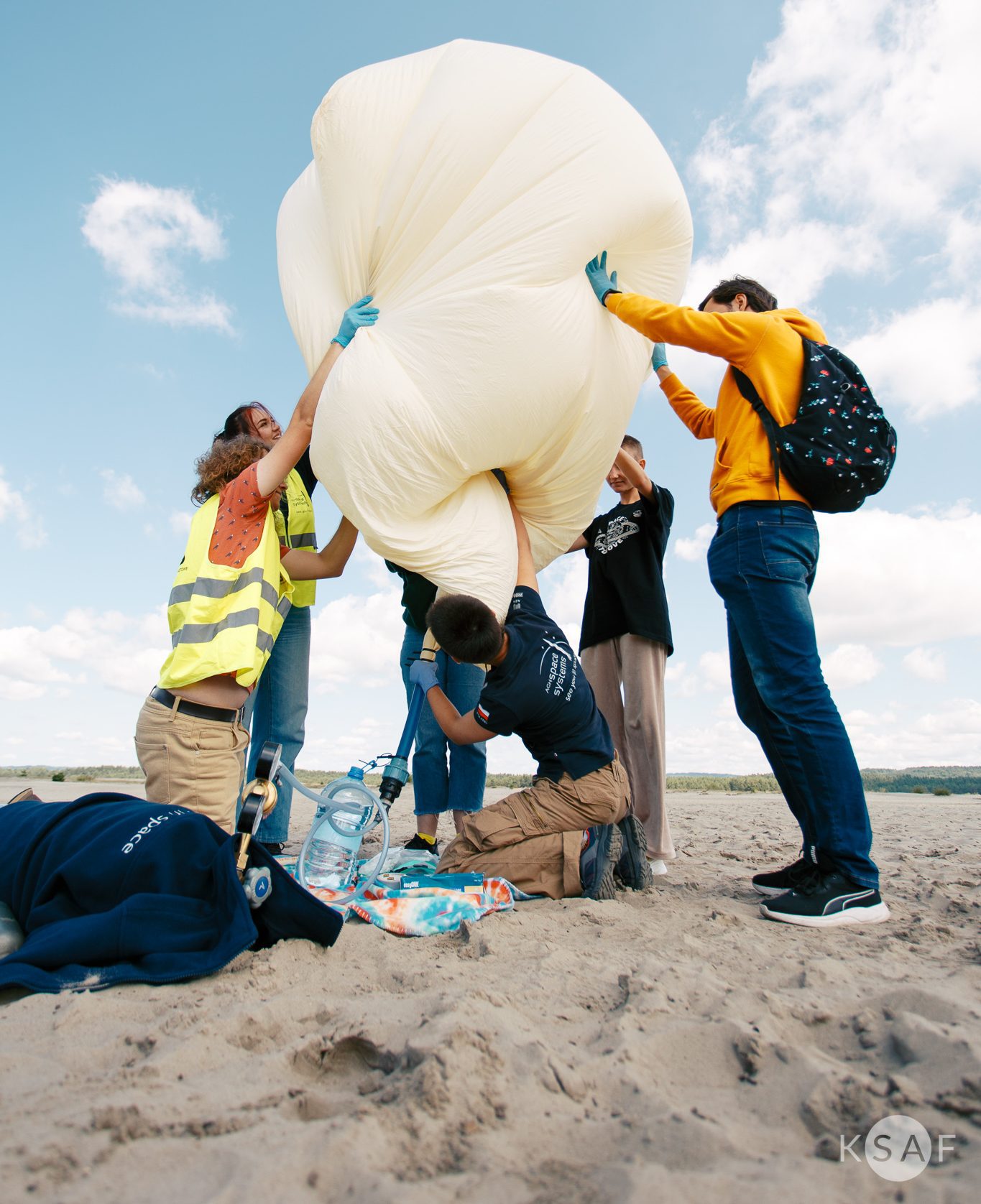
Besides rocket projects, Martian rovers, and planetary probes, students from AGH Space Systems have conducted stratospheric balloon missions, testing electronics and various scientific experiments. They have also participated twice in the international Global Space Balloon Challenge.
The goal of the Payload project is to design, build, and test a research platform capable of operating during a high-altitude balloon mission. The payload is intended to carry scientific experiments and onboard systems into the upper atmosphere, where near-space conditions can be studied in a cost-effective and accessible way. Through this project, the team gains practical experience in flight preparation, environmental testing, data collection, and payload recovery, while contributing to the development of future stratospheric research missions.
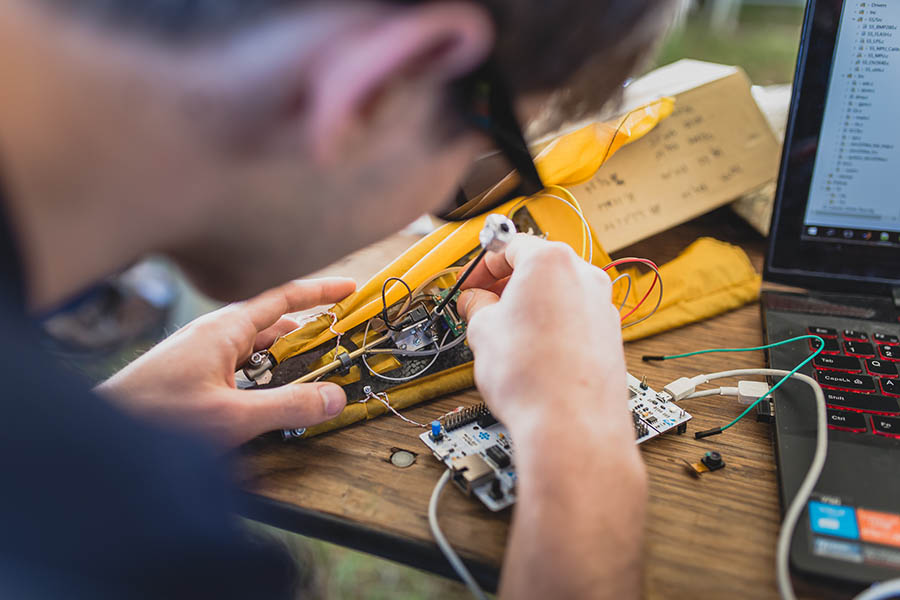
Between 2015 and 2019, AGH Space Systems regularly participated in the international CanSat Competition, co-organized by NASA and held in the United States. The team designed probes simulating planetary landers, which were tasked with collecting telemetry data and maintaining stable orientation while descending from heights of up to 1 km. Each mission required not only precise construction of the devices but also the preparation of comprehensive project documentation, which was a key element in the team’s evaluation.